1802 Paper Mill Road, Wyomissing, PA 19610


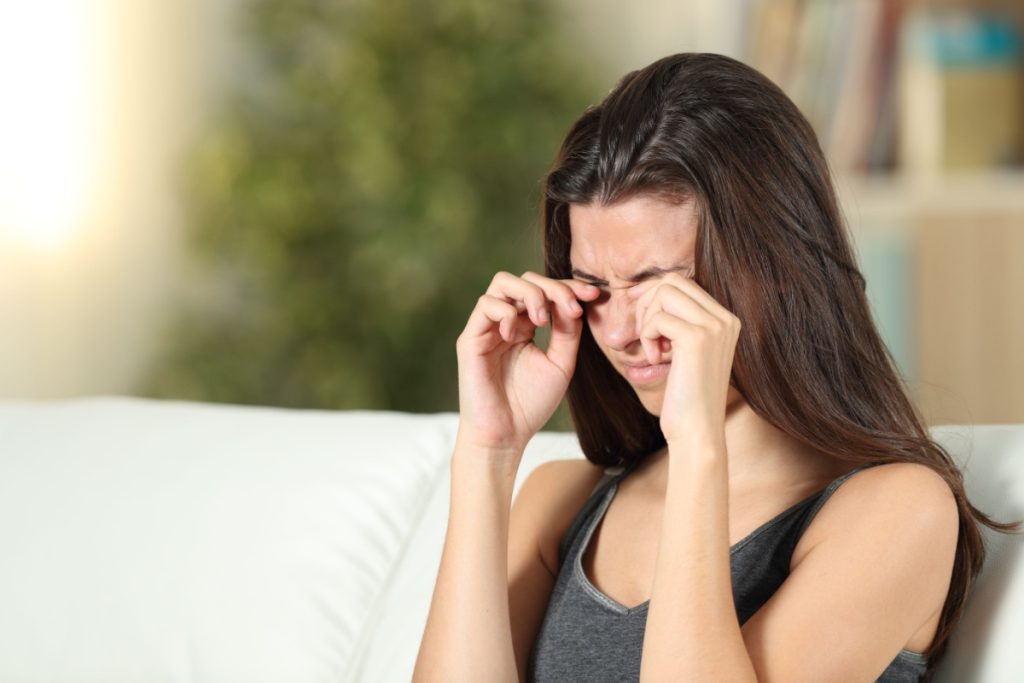
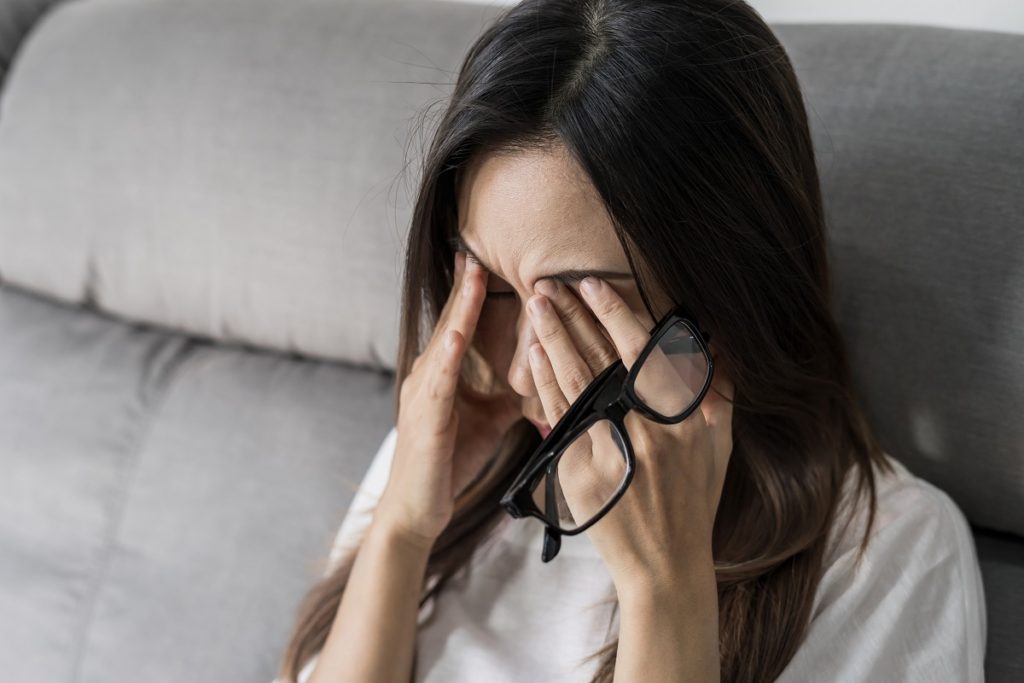
If you find yourself dreading the arrival of spring or fall due to the onset of seasonal allergies, you are in good company. Sneezing, congestion, and itchy eyes can be a significant inconvenience. Seasonal allergies can also exacerbate dry eye symptoms, making your eyes feel even more uncomfortable. At Berks Eye, we understand the negative impact that seasonal allergies can have on your eye health, and our dedicated team of specialists is committed to helping you combat dry eye symptoms so that your eyes stay comfortable.
The Link Between Seasonal Allergies and Dry Eye Symptoms
When your body comes into contact with allergens, it triggers an inflammatory response. This response can affect the delicate tear film that covers the surface of your eyes, leading to increased evaporation of tears and exacerbating dry eye symptoms.
Understanding Dry Eye Syndrome
Dry eye syndrome occurs when your eyes are unable to produce an adequate quantity or quality of tears to keep the eyes properly lubricated. This can result in symptoms such as:
- Persistent dryness
- Grittiness or a feeling of foreign body in the eye
- Burning or stinging sensation
- Blurred vision
- Sensitivity to light
Addressing Your Dry Eye Symptoms at Berks Eye
At Berks Eye, our experienced team of doctors is dedicated to helping you find relief from dry eye symptoms, especially when exacerbated by seasonal allergies. We offer comprehensive evaluations to assess the underlying causes of your dry eye and develop personalized treatment plans to address your needs.
Our range of treatment options may include artificial tears, ointment, prescription eye drops, and eyelid scrubs — all of which help nourish and moisturize the eye. You may also be recommended nutritional supplements. In addition, our practice offers punctal occlusion as well as meibomian gland expression treatments to help with the flow of tears. LipiFlow® is also available at our practice, which is an automated, in-office dry eye treatment that combines warmth and pulsated pressure to open and express clogged meibomian glands, providing relief to dry eye syndrome.
Certain lifestyle changes, such as limiting your exposure to allergies, reducing screentime throughout the day, and taking frequent breaks to rest the eyes, can all improve dry eye symptoms.
Improve Dry Eye Symptoms in Wyomissing
At Berks Eye, we understand the impact that seasonal allergies can have on your eye health, especially when compounded by dry eye symptoms. Our team is committed to providing you with personalized care and effective solutions to alleviate your discomfort. Do not let seasonal allergies exacerbate your dry eye symptoms any longer — contact us today to schedule an appointment and take the first step towards enjoying greater eye comfort and clarity.
 Millions of Americans are affected by