Common Mistakes New Contact Lens Wearers Make

Berks Eye Physicians & Surgeons, Ltd.
Two blue-tinted contact lenses on a white table

Switching to contact lenses can be exciting, especially if you’re ready to swap your eyeglasses for a more flexible and active lifestyle. But like any change, there’s a learning curve.

At Berks Eye Physicians & Surgeons in Wyomissing, PA, just outside Reading, our contact lens team, led by experienced optometrists, helps patients transition to contact lenses safely and comfortably. We offer detailed guidance, expert fittings, and ongoing support.

Today’s blog discusses the most common mistakes that new contact lens wearers face and how to avoid them. 

Not Washing Hands Before Handling Lenses

It might seem simple, but failing to wash your hands thoroughly before inserting or removing your lenses can introduce bacteria and increase the risk of eye infections. Always wash your hands with soap and water, and dry them with a lint-free towel before touching your eyes or lenses.

Sleeping in Your Lenses

Unless your eye doctor prescribes extended-wear lenses specifically designed for overnight use, never sleep in your contacts. It reduces oxygen to the eye, which increases the risk of corneal infections and serious complications.

Using Water or Saliva to Clean Lenses

Contact lenses require recommended solutions. Tap water, bottled water, and saliva all contain microorganisms that can damage your lenses and put your eyes at risk. Always follow your doctor’s care instructions and never reuse or top off old solution.

Overwearing Your Lenses

Many first-time wearers stretch their lenses longer than recommended to save money or out of convenience. Overwearing can dry out your eyes, cause discomfort, and even lead to corneal irritation. Our experts guide you through the ideal wearing schedule tailored to your lifestyle and prescription needs.

Skipping Annual Eye Exams

Even if your contacts feel fine, your prescription or eye health can change. Annual exams ensure your eyes stay healthy and your vision remains sharp. Our comprehensive contact lens exams check for fit, visual clarity, and signs of dryness or irritation.

Contact Lens Exams Near Reading, PA

At Berks Eye Physicians & Surgeons, we provide more than just lenses. For over 70 years, we’ve been trusted by generations of families in Berks County for cutting-edge diagnostic testing, medical and surgical eye care, and personalized optical solutions. Whether you need your first pair of contact lenses or a more advanced option, we’re here to help. After you get your new prescription, we also make it easy to order contact lenses online. Schedule your contact lens evaluation in our Wyomissing, PA, office now by calling 610-372-0712.

Let’s Talk Keratoconus: There Are More Treatments Than You May Think

Berks Eye Physicians & Surgeons, Ltd.
Side profile of man with bulging corneas, caused by keratoconus

With keratoconus, your corneas start bulging into a cone shape, which can blur and warp your vision. At Berks Eye Physicians & Surgeons, our board‑certified surgeons and experienced eye care professionals combine expertise with friendly, personalized attention for Reading, PA, patients. 

From the moment you walk in, we’ll guide you through keratoconus diagnosis, explain the treatment options, and closely track your progress as your vision improves.

In this blog, our team discusses keratoconus treatments. You might be surprised at how many options you have!

Rigid Gas Permeable (RGP) Contact Lenses

Rigid gas permeable (RGP) lenses are often the first step in improving vision for keratoconus patients. While soft contact lenses bend to the shape of your eye, RGP lenses retain their shape on the eye’s surface. This helps stop keratoconus bulging and can improve blurry or distorted vision.

Many patients need scleral RGP lenses, which are larger than most contacts and cover the whole cornea.

Piggybacking Lenses 

Some people find traditional RGP lenses uncomfortable, especially when the cornea is very steep or sensitive. “Piggybacking” lenses may help. First, a soft lens is placed directly on the eye; then, the RGP lens goes above it.

The soft lens provides the shield of comfort you need to wear vision-sharpening RCP lenses successfully.

Hybrid Lenses 

Hybrid lenses are another way to get the best of both worlds: Comfort with RGP lens clarity. These premium contacts feature an RGP center with a soft outer ring that helps them feel more natural. 

Intacs: A Minimally Invasive Surgical Option

Keratoconus typically progresses gradually until around age 40. As it worsens, contact lenses may become less effective. That’s where Intacs can come in. These small, curved plastic inserts are placed just under the cornea’s surface. 

They help flatten the bulging area and reshape the cornea to improve vision. The procedure is outpatient, meaning you can go home the same day. Intacs don’t replace the need for glasses or contacts, but they often make it easier to wear them again.

Corneal Crosslinking: A Stabilizing Procedure

Though not usually the first step in keratoconus treatment, corneal collagen crosslinking (CXL) might be recommended to help slow or stop the condition from getting worse. 

This in-office procedure uses vitamin B2 eye drops and ultraviolet (UV-A) light to strengthen the collagen fibers in the cornea. It may help preserve the cornea’s shape and may prevent further bulging. While CXL does not restore lost vision, it can protect against future changes.

Corneal Transplant Surgery

For people with severe keratoconus who can’t get clear vision, even with specialty lenses or minor procedures, a corneal transplant may be necessary. 

The preferred method is called Deep Anterior Lamellar Keratoplasty (DALK), which replaces the cornea’s outer layers while keeping the healthy inner layers intact. If DALK isn’t an option, a full-thickness transplant, known as penetrating keratoplasty, may be done. 

Keratoconus support in Wyomissing, PA

Call Berks Eye Physicians & Surgeons at 610-372‑0712 to schedule an appointment and learn more about your keratoconus treatment options today.

Eye Care Tips for Contact Lens Wearers

Berks Eye Physicians & Surgeons, Ltd.
Contact Lenses Reading PA

Wearing contact lenses is a convenient and effective way to correct vision, but it also requires proper care and maintenance to keep your eyes healthy. At Berks Eye Physicians & Surgeons in Reading, PA, we prioritize your eye health and want to share helpful tips for contact lens wearers to prevent irritation, infections, and long-term damage.

1. Always Wash Your Hands Before Handling Lenses

One of the most critical steps in maintaining eye health while wearing contact lenses is ensuring your hands are clean before touching your lenses. Dirty hands can transfer bacteria, dirt, and oils to your lenses, increasing the risk of infection. Use soap and water, then dry your hands thoroughly before inserting or removing your lenses.

2. Follow Your Contact Lens Cleaning Routine

Proper lens care is essential to avoid eye infections and discomfort. Use only the solution recommended by your eye care provider to clean, rinse, and store your lenses. Avoid using tap water or homemade solutions, as they can introduce harmful microorganisms that may lead to severe eye infections.

3. Never Sleep in Your Contacts Unless Approved

Sleeping in contact lenses not designed for overnight wear reduces oxygen flow to your cornea, increasing the risk of irritation and infection. Only wear your lenses overnight if they are explicitly approved for extended wear. Even then, regular follow-up visits with your eye doctor are necessary to ensure your eyes remain healthy.

4. Replace Your Lenses as Directed

Adhering to the replacement schedule prescribed by your eye care provider is essential. Whether your lenses are daily, bi-weekly, or monthly, wearing them past their recommended time frame can lead to discomfort, dryness, and infection. Old lenses can accumulate protein deposits, which may cause irritation or even damage your eyes.

5. Avoid Wearing Contacts When Your Eyes Are Irritated

If you experience redness, dryness, or discomfort, remove your contact lenses immediately. Continuing to wear them when your eyes are irritated can worsen the condition or lead to infections. If symptoms persist, contact Berks Eye Physicians & Surgeons for a professional evaluation.

6. Regular Eye Exams Are Key

Routine eye exams are vital for maintaining healthy eyes, especially for contact lens wearers. Your eye doctor can detect early signs of any issues related to contact lenses, such as corneal problems or infections. Make sure to schedule annual appointments or as recommended by your eye care professional.

Take Action for Healthier Eyes Today

By following these eye care tips, you can enjoy the convenience of contact lenses while protecting your eye health. At Berks Eye Physicians & Surgeons in Reading, PA, we are dedicated to helping you maintain optimal vision and eye health. If you have questions about your contact lenses or need a check-up, schedule an appointment with our expert team today! Proper care starts with you, but we’re here to ensure your eyes stay healthy for years to come.

Are You a Good Candidate for Contact Lenses?

Berks Eye Physicians & Surgeons, Ltd.
Contact Lenses Candidate Reading PA

If you wear eyeglasses, at some point in time you have probably stopped to ask yourself, “Should I try contact lenses?” Here at Berks Eye, patients often request a professional opinion on contact lenses. We are happy to have this discussion with them and inform them of their options for vision correction.

In this blog, we discuss some of the most important factors to take into account if you are considering contact lenses.  

(more…)
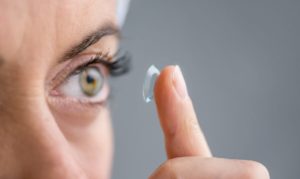

Why You Shouldn’t Sleep in Your Contact Lenses

Berks Eye Physicians & Surgeons, Ltd.

How
Bad is it to Sleep in Contacts?Contact lenses are safe medical devices used by over 45 million Americans. But problems can occur, and when they do, they are often caused by poor contact lens hygiene (e.g., not properly cleaning them or swimming or bathing while wearing them).

A crucial part of contact lens hygiene is taking the lenses out before going to sleep. Read on as the team at Berks Eye Physicians and Surgeons explains why sleeping in contact lenses is a very bad idea. (more…)

ADDRESS:
1802 Paper Mill Road Wyomissing, PA 19610
PHONE:
FAX:
(610) 376-6968
OFFICE HOURS
Monday
8:00 am - 7:00 pm
Tuesday
8:00 am - 5:00 pm
Wednesday
8:00 am - 5:00 pm
Thursday
8:00 am - 7:00 pm
Friday
8:00 am - 5:00 pm