Aging Eyes: What to Expect in Your 40s and Beyond

Berks Eye Physicians & Surgeons, Ltd.
Man in Wyomissing holds cell phone far from his face and squints due to aging eyes

Many people begin to notice changes in their vision as they move into their 40s, even if they’ve never worn glasses before. These shifts are a natural part of aging, and understanding them can help patients know when to schedule exams and what to watch for.

For more than 70 years, Berks Eye Physicians & Surgeons in Wyomissing has provided comprehensive care to help patients maintain healthy vision through each stage of life. Our December blog is a great time to help you prep for the year ahead by explaining some of the changes you can expect as you age.

Presbyopia

One of the most common age-related changes is presbyopia, which makes it harder to focus on close objects. It usually starts after age 40, which is why so many people need reading glasses around that time.

When presbyopia starts, patients often find themselves holding books or phones at arm’s length.

Reading glasses are sufficient for some people with milder presbyopia. For many, prescription multifocal lenses (glasses or contacts) may be the more convenient option since they don’t require constant swapping between glasses.

Dry Eyes

Tear production often decreases in the 40s and 50s, leading to dry eyes, burning, irritation, and even vision fluctuations.

Our dry eye syndrome specialists provide comprehensive care in our Wyomissing office, from advanced diagnostics to personalized treatments that address the root cause of low tear production.

Eyelid Changes

Aging eyelid skin gradually loses its elasticity, sometimes causing drooping and heaviness that may affect appearance, and in some cases, obscure vision.

Our specialists offer expert evaluation for medical and cosmetic blepharoplasty in Wyomissing.

Cataracts

As people age, cataracts become another common vision concern. A cataract develops when the eye’s natural lens becomes cloudy, which can cause blurred vision, glare from lights, faded colors, or difficulty seeing at night.

Early cataracts may only require updated prescriptions and regular monitoring. However, as clouding progresses, daily activities such as driving or reading can become more challenging. At that point, our experts may recommend cataract removal surgery, which replaces the cloudy lens with an advanced intraocular lens that corrects your vision.

The Importance of Regular Exams After 40

Beginning in the 40s, the risk of developing more serious eye diseases gradually increases. Conditions such as glaucoma, cataracts, and retinal disorders may develop slowly and without early symptoms. 

As patients enter their 50s, 60s, and beyond, changes in contrast sensitivity, night vision, and clarity may continue to evolve. Routine exams allow for early detection, and when needed, timely treatment.

Aging Eye Care in Wyomissing and the Reading Area

If you have noticed changes in your vision or are due for an exam, call 610-372-0712 to book your appointment at Berks Eye Physicians & Surgeons.

Here’s What You Can Expect at Your Eye Exam

Berks Eye Physicians & Surgeons, Ltd.
Eye Exam in Reading, PA

Visiting the eye doctor is an essential part of maintaining your overall health, and at Berks Eye Physicians & Surgeons, we strive to make your experience both comfortable and informative. Whether it’s your first eye exam or a routine check-up, understanding what to expect can ease any anxieties and help you make the most of your visit.

A Thorough Review of Your Medical History

Your eye exam at Berks Eye Physicians & Surgeons will begin with a comprehensive review of your medical history. This step is crucial because your eyes can reveal a lot about your overall health. Conditions like diabetes, hypertension, and even certain neurological disorders can affect your vision. By sharing any relevant health information, including medications and family history, our specialists can tailor the exam to your specific needs.

Visual Acuity Test

One of the primary components of your eye exam is the visual acuity test. You’ve probably encountered this test before — it’s the one where you read letters from a chart across the room. This test measures how well you see at various distances. Depending on the results, you may need corrective lenses or an adjustment to your current prescription. It’s a quick and painless way to assess your vision clarity.

Refraction Assessment

To determine the exact prescription for your glasses or contact lenses, a refraction assessment will be conducted. During this test, you’ll look through a device called a phoropter and tell the doctor which lens choices make the letters on the eye chart clearer. This test is critical for diagnosing refractive errors like nearsightedness, farsightedness, and astigmatism.

Slit Lamp Examination

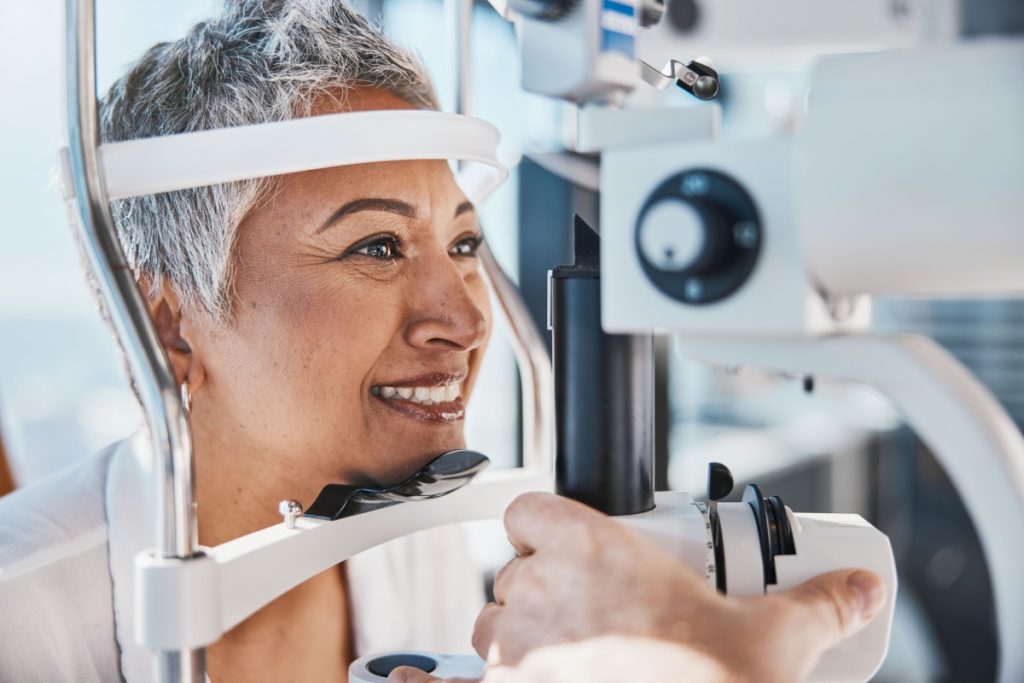
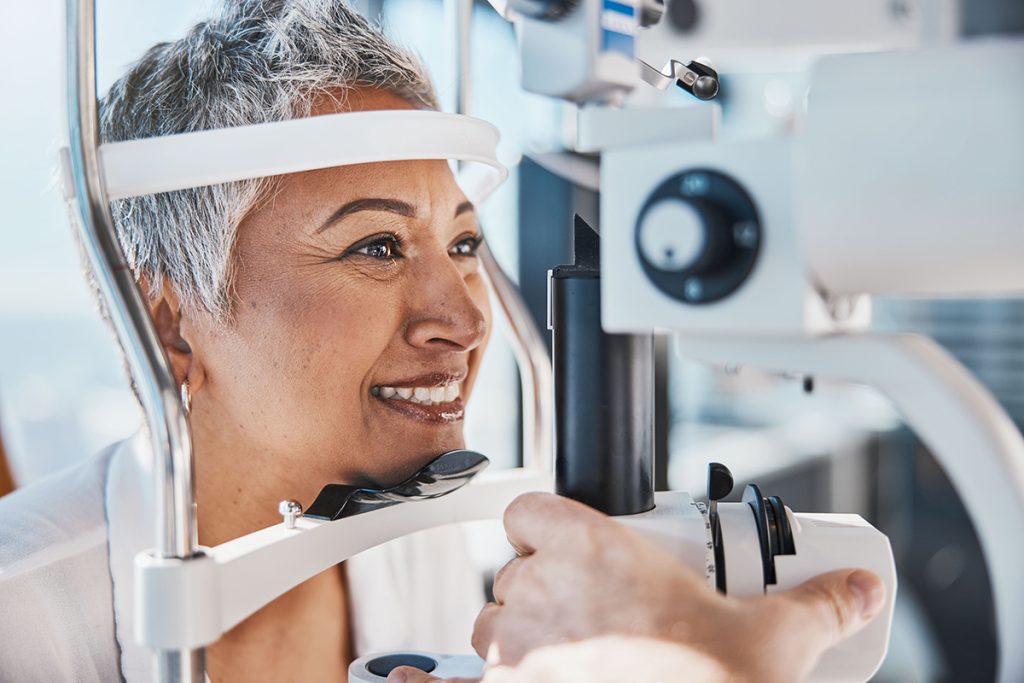
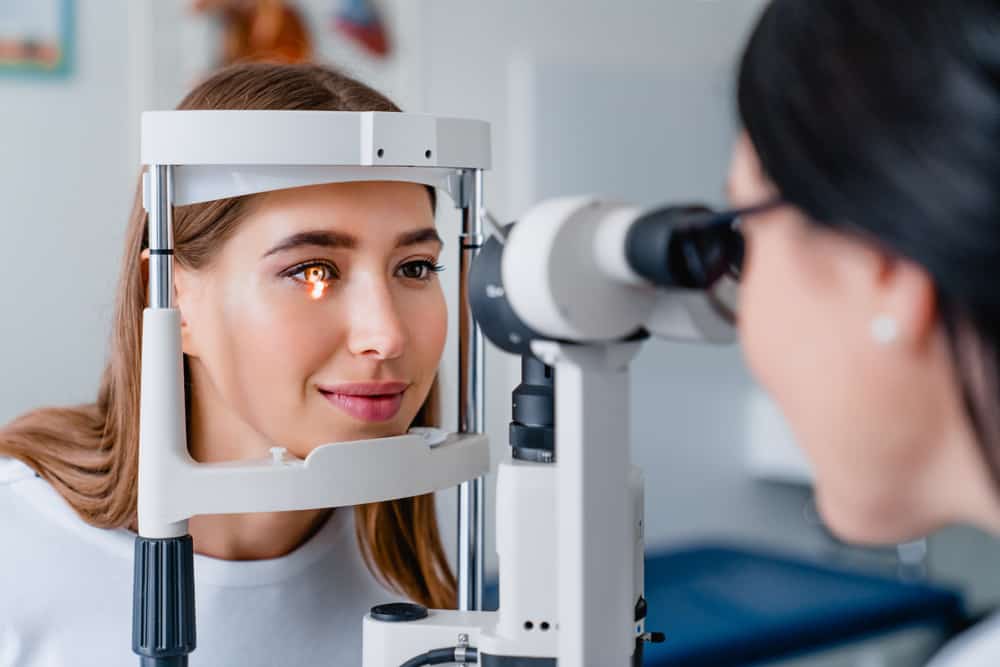
One of the more detailed parts of your eye exam is the slit lamp examination. This specialized microscope allows the doctor to examine the structures at the front of your eye, including the cornea, iris, and lens. By shining a bright light into your eye, the doctor can detect a range of conditions, such as cataracts, corneal injuries, or dry eye syndrome.

Retinal Examination

Finally, your doctor will examine the back of your eye, including the retina and optic nerve. This part of the exam often involves dilating your pupils to get a better view. It’s a crucial step for detecting issues like retinal detachment, macular degeneration, and other serious eye conditions.

Your Vision Is Our Priority

At Berks Eye Physicians & Surgeons, your vision and eye health are our top priorities. Regular eye exams are essential not only for maintaining clear vision but also for catching potential health problems early. Whether you’re experiencing vision changes or it’s time for your annual check-up, we’re here to provide comprehensive, compassionate care. Schedule your eye exam today and take the next step in protecting your vision for a lifetime.
How Regular Eye Exams Prevent Unnecessary Vision Loss from Eye Disease

Berks Eye Physicians & Surgeons, Ltd.
Eye exams and vision loss in Wyomissing

Diabetic retinopathy, glaucoma, and macular degeneration are eye diseases that can damage your internal eye structures before you experience any symptoms. Unfortunately, these conditions often cause permanent vision loss before they are diagnosed. Regular eye exams are crucial to maintaining good ocular health and avoiding vision loss. At Berks Eye Physicians & Surgeons, our eye doctors can often detect early signs of eye disease at these appointments to prevent vision loss with timely diagnosis and treatment. 

Comprehensive eye exams include various tests, including your visual acuity, to diagnose refractive errors. Our eye doctors examine your visual field by moving a finger from side to side and use a series of color images to test for color blindness. Computer testing maps your cornea to diagnose astigmatism, and dilated eye drops allow our eye doctors to visualize and examine the internal structures, such as your retina, lens, optic nerve, and blood vessels. A slit lamp magnifies your eye structures, and a tonometry test measures internal eye pressure. These measures ensure long-term eye health with early diagnosis of eye diseases and other concerns. 

Early Detection of Eye Disease Can Prevent Vision Loss 

Vision impairment affects every area of your life, but vision loss is often avoidable with early detection of eye diseases during routine eye exams. Like all health concerns, it’s best to diagnose eye problems early, when they’re most treatable, and before they impact your quality of life. Some changes in the eye can signal a larger health concern, such as undiagnosed diabetes, high cholesterol, or high blood pressure. These eye exams ensure you maintain your eyesight for longer and may help improve your overall health. 

If you experience vision changes, schedule an eye exam immediately to avoid further vision loss. It’s easy to take good vision for granted, and some eye diseases are unforgiving. Don’t neglect your eye health; schedule eye exams as often as recommended to maintain clear, crisp vision. 

How Often Should You Have an Eye Exam? 

People with refractive errors should have annual eye exams to update their vision prescription for glasses or contact lenses. However, even people who don’t require corrective eyewear should have regular eye exams to evaluate their eye health, especially if they have risk factors for eye disease. A high-risk person may need an annual eye exam or more frequent visits, while low-risk people should schedule an appointment every two years.

Risk factors for eye diseases include: 

  • Family history of eye diseases
  • Persons over 60
  • People of African or Latino descent 
  • Previous eye injury or surgery
  • Chronic health conditions (diabetes, heart disease, obesity, etc.) 

Schedule Your Eye Exam Today 

Don’t put off your next eye exam. These appointments are crucial to maintaining a healthy eye and good vision. Schedule a comprehensive eye exam at Berks Eye Physicians & Surgeons in Wyomissing, Pennsylvania. Request an appointment online or call (610) 372-0712.

Why Regular Eye Exams Are Essential

Berks Eye Physicians & Surgeons, Ltd.
Eye Exams Wyomissing

When was the last time you had an eye exam? If you can’t remember, it’s probably time to schedule an appointment. The team at Berks Eye provides comprehensive eye exams. Regular and comprehensive eye exams are essential to your vision and eye health. Here, the experienced team at Berks Eye explains why regular eye exams are so important.

(more…)
ADDRESS:
1802 Paper Mill Road Wyomissing, PA 19610
PHONE:
FAX:
(610) 376-6968
OFFICE HOURS
Monday
8:00 am - 7:00 pm
Tuesday
8:00 am - 5:00 pm
Wednesday
8:00 am - 5:00 pm
Thursday
8:00 am - 7:00 pm
Friday
8:00 am - 5:00 pm